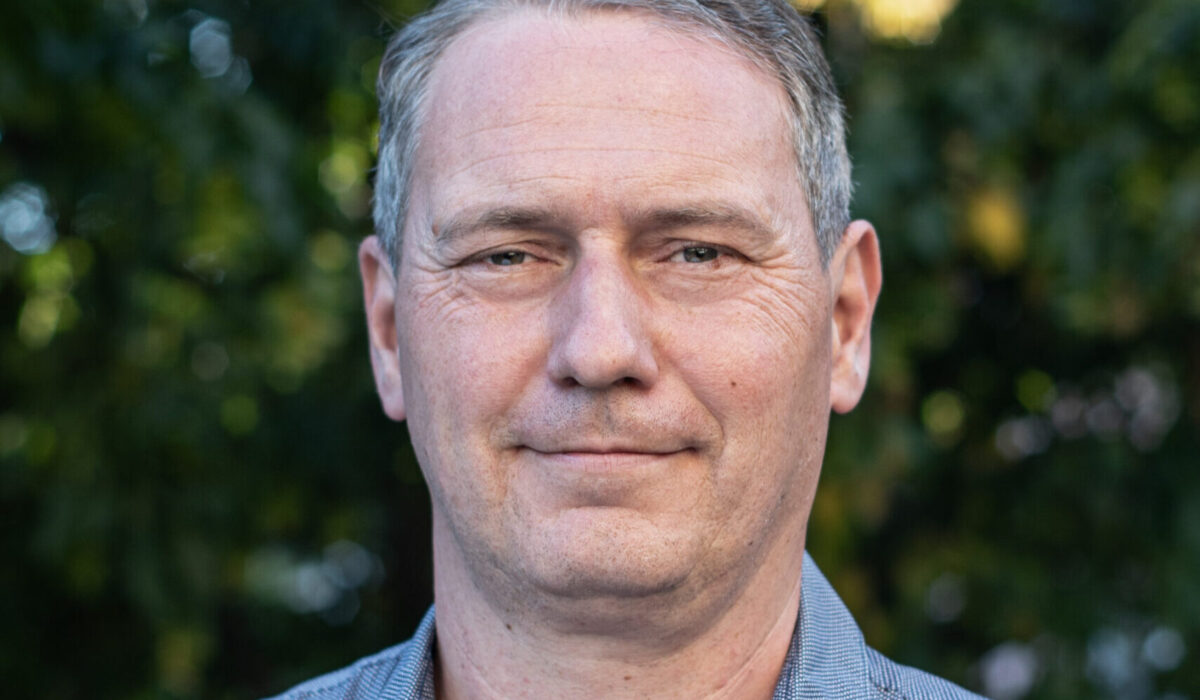
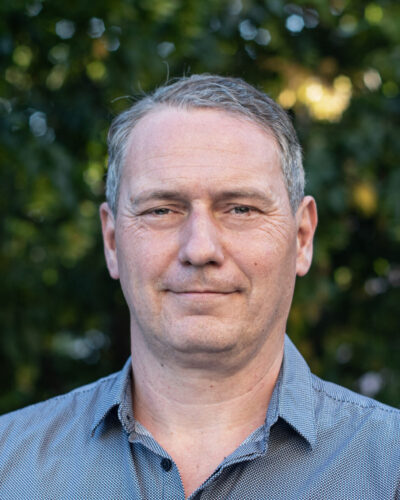
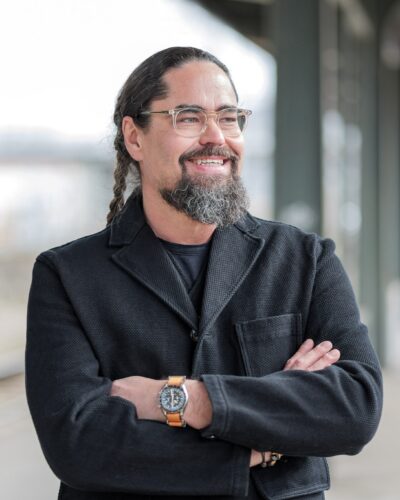
Doctor of Medicine, specialized in Medical Informatics, experienced in eHealth and mHealth tools implementation into daily practice. Interested in projects digitally transforming healthcare, home care, social care, and/or education.
"Full stack" person (electronics to code to networks). Started with electronics and programming at age 7, moved to networking when Internet became mainstream. Built several hosting companies and now applying accumulated knowledge in the Bitcoin space after discovering myself being a crypto anarchist at HCPP17.
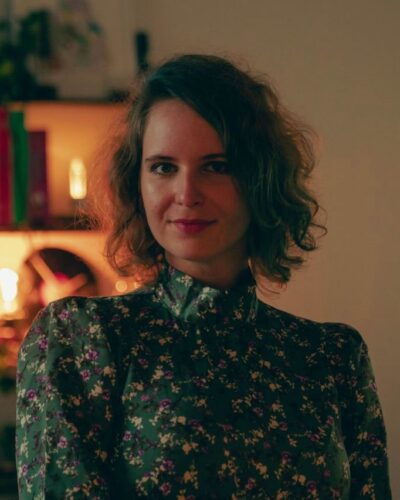
ANN BRODY
DAO & political futures researcher
ANN BRODY
DAO & political futures researcher
Ann Brody is a researcher and ethnographer who recently completed her doctoral degree focusing on decentralized governance. Her work explores the complex ideological terrain of Decentralized Autonomous Organizations (DAOs), alternative governance experiments and digital utopianism, privacy practices, and the political imaginaries that animate crypto movements.
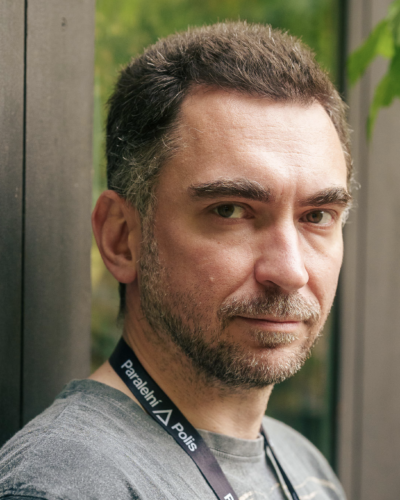
TOMAS STUDENIK
radical innovator, founder, author & investor
TOMAS STUDENIK
radical innovator, founder, author & investor
Tomas Studeník is an urban hacker, innovator, and author of The Art of Failure. He is the founder of Blackout Prague, a unique project that blends applied sociology with immersive theatre to explore what happens when modern cities go dark. Tomas has organized dozens of hackathons in Europe and the US, created the world’s first […]
JEDAI
Finance & code fault line
JEDAI
Finance & code fault line
Jedai is a systems thinker operating at the fault line between finance and code. He has spent years inside regulation—standards bodies, risk frameworks, and compliance systems—mapping how power concentrates in custody and discretion. He now focuses on designing alternatives: cryptographic, protocol-based systems that replace institutional trust with verifiable rules. His work centers on self-sovereign identity, decentralized finance primitives, and incentive design that removes the need for gatekeepers. Author of Unregulatable, he argues that the future of money will not be governed by permission, but by architecture.