Lisbon
—
Local Time
—
Weather
A few practical things to know before your trip to Lisbon.
The currency of Portugal is the Euro (EUR). Card and contactless payments are widely accepted, but carrying a small amount of cash can occasionally be useful. Tipping is not required, though it is appreciated for good service.
Lisbon operates on Western European Time (WET / UTC+0) during winter and Western European Summer Time (WEST / UTC+1) during daylight saving time.
230V / 50Hz. Plug types C and F are compatible with most European plugs.
The universal emergency number is 112 and can be used to contact police, fire brigade, or ambulance services.
The official language is Portuguese. English is widely spoken in hotels, restaurants, cafés, and most tourist-facing businesses.
Most international visitors arrive via Humberto Delgado Airport Lisbon (LIS), located approximately 7 km from the city center.
The airport is directly connected to the city's Metro network via the Red Line, making it one of the easiest European capitals to reach by public transport.
Lisbon has an extensive public transportation network consisting of metro, buses, trams, ferries, and suburban trains. The city's historic trams are also one of Lisbon's most iconic attractions.
We recommend downloading the Carris app for public transportation information and tickets.
Uber and Bolt are widely available throughout Lisbon and are generally inexpensive compared to many other Western European capitals.
Many of Lisbon's neighborhoods are best explored on foot. Keep in mind that the city is famous for its steep hills, cobblestone streets, and staircases, so comfortable footwear is highly recommended.
Bike-sharing and electric scooter services are available throughout the city. While Lisbon's hills can make cycling challenging in some areas, the riverside routes are particularly enjoyable.
Lisbon is home to a diverse range of museums, galleries, and cultural institutions, combining centuries of history with contemporary art, architecture, and design.
One of Lisbon's most distinctive cultural institutions, combining contemporary art, architecture, and technology in a striking riverside building.
One of Portugal's finest museums, featuring an exceptional collection of European, Middle Eastern, and Asian art.
Exploring the historical and cultural connections between Portugal and Asia through art, trade, and exploration.
Dedicated to Portugal's iconic azulejos, showcasing five centuries of ceramic art and design.
Home to one of Portugal's most important collections of modern and contemporary art, including works from the former Berardo Collection.
Lisbon's most famous historic monument and a masterpiece of Manueline architecture, closely linked to Portugal's Age of Discovery.
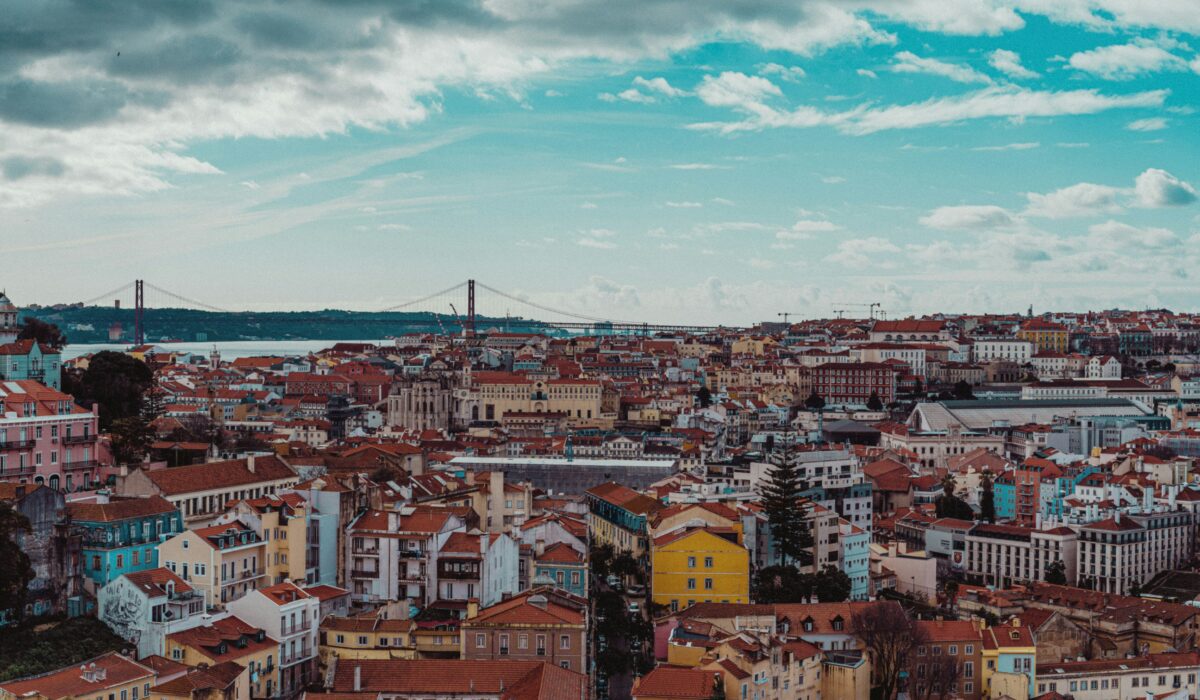
Built across seven hills and overlooking the Atlantic Ocean, Lisbon is known for its parks, waterfront promenades, historic neighborhoods, and countless viewpoints. Exploring the city on foot is often the best way to experience its character.
Lisbon's modern waterfront district, featuring promenades, public art, gardens, restaurants, and views along the Tagus River.
One of Lisbon's most beautiful public gardens, offering shaded paths, exotic plants, and a relaxed atmosphere.
Lisbon's largest central park, featuring formal gardens and sweeping views toward the river.
Peaceful modernist gardens surrounding the Calouste Gulbenkian Foundation, considered one of the city's finest green spaces.
A scenic riverside promenade connecting some of Lisbon's most famous landmarks, including Belém Tower and the Monument to the Discoveries.
Lisbon's oldest neighborhood, best explored on foot through its narrow streets, stairways, hidden squares, and viewpoints.
Lisbon is also famous for its many miradouros. Some of the most popular include Miradouro da Senhora do Monte, Miradouro de Santa Catarina, Miradouro de São Pedro de Alcântara, and Miradouro das Portas do Sol, all offering spectacular views across the city and the Tagus River.
Food, drinks, music, and nightlife are an essential part of Portuguese culture. Unlike many other European cities, evenings often begin late and are designed to be shared — long dinners, small plates, conversations, and sometimes live Fado performances that continue well into the night.
One of the classic Lisbon evening routes. Start with dinner in Bairro Alto, wander downhill through the picturesque streets of Bica, and finish the night in Cais do Sodré, home to some of the city's most famous bars and nightlife venues.
Lisbon's most famous food market, bringing together many of the city's best chefs, restaurants, and local specialties under one roof.
Meals are meant to be shared. Don't be surprised if your table fills with petiscos, seafood, grilled meats, and bottles of wine intended for everyone to enjoy together.
Coffee is typically served as a small, strong espresso known locally as a bica. The best experience is often found in small neighborhood cafés rather than large international chains.
Lisbon's traditional music genre and an important part of Portuguese culture. For an authentic experience, consider attending a live performance in Alfama or Bairro Alto, where many venues combine music, food, and wine.
Two of Lisbon's most iconic nightlife destinations, representing very different sides of the city's after-dark culture.
One of Lisbon's greatest advantages is its proximity to the Atlantic Ocean. Within 30–45 minutes, you can reach sandy beaches, surf spots, seaside promenades, and charming coastal towns.
Lisbon's most popular beach destination, featuring a long stretch of sandy coastline, beach bars, restaurants, and numerous surf schools. The easiest way to get there is by Uber, Bolt, or bus from central Lisbon.
A beautiful seaside town west of Lisbon known for its beaches, marina, restaurants, and elegant atmosphere. Reachable in approximately 40 minutes via a direct train from Cais do Sodré Station.
One of the closest beaches to Lisbon and a favorite among both locals and visitors. Easily accessible by train from Cais do Sodré Station.
Widely considered one of the best and most accessible surf spots near Lisbon, suitable for both beginners and experienced surfers depending on conditions.
Home to numerous surf schools and beach breaks stretching for several kilometers, making it one of Portugal's most popular surfing destinations.
Located about 45 minutes north of Lisbon, this picturesque fishing town is one of Europe's most famous surf destinations and the world's first World Surfing Reserve. Worth the trip if surfing is high on your agenda.
Lisbon enjoys one of Europe's mildest climates, with plenty of sunshine throughout the year and relatively warm temperatures even during the winter months.
Generally mild and sunny, with temperatures typically ranging from 15–25°C (59–77°F).
Warm, dry, and sunny. Daytime temperatures usually range from 25–35°C (77–95°F), though Atlantic breezes often make the heat more comfortable.
One of the best times to visit Lisbon, offering warm temperatures, fewer crowds, and plenty of sunshine. Occasional rain showers become more common later in the season.
Mild compared to most European capitals, with daytime temperatures often between 10–18°C (50–64°F).
Other Cities